

Dental implants have become one of the most trusted and effective ways to replace missing teeth. They are designed to look, feel, and function like natural teeth, helping patients regain confidence in their smiles and daily activities. While the results may seem straightforward, the science behind dental implants is both precise and fascinating.
At the heart of dental implant success is a biological process called osseointegration. This natural process allows the implant to bond with your jawbone, creating a stable foundation for a replacement tooth. Understanding how this works can help you feel more informed and confident if you are considering dental implants.
What Are Dental Implants?
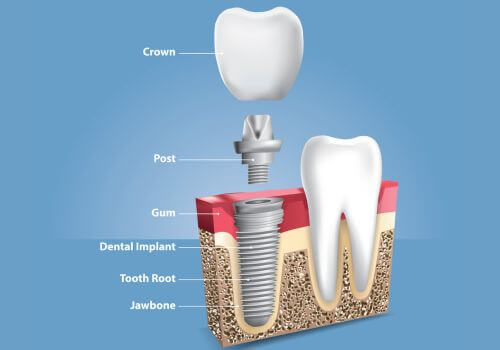
Dental implants are small, screw-shaped posts designed to function like artificial tooth roots. Most are made from titanium, a material commonly used in medical procedures because it is well accepted by the body. Once placed in the jawbone, the implant can support a dental crown, bridge, or denture.
Unlike removable tooth replacement options, dental implants remain securely fixed in place. This stability can make eating and speaking more comfortable while helping restore the natural appearance of your smile. Over time, the implant fuses with the surrounding jawbone, creating a strong foundation that distinguishes dental implants from other tooth replacement solutions.
Understanding Osseointegration in Dental Implants
Osseointegration is the biological process that allows a dental implant to fuse with the jawbone. After the implant is placed, bone cells begin to grow and attach to its surface. This creates a strong, stable connection that anchors the implant securely in place.
This process was first described in modern dentistry in the mid-20th century and remains the foundation of implant success today. Titanium plays an important role because it can bond directly with bone without being rejected by the body, making it a reliable material for long-term use. This direct connection between bone and implant is essential for stability and long-term function.
The Stages of Dental Implant Integration
Dental implant treatment occurs in several stages, each designed to support proper healing and long-term success. While timelines can vary, the general process follows a predictable pattern.
1. Implant Placement
The implant is carefully placed into the jawbone during a minor surgical procedure. The gum tissue is then closed over or around the implant to protect the area as it begins to heal.
2. Healing and Bone Integration
Over the next several weeks to months, the jawbone gradually bonds with the implant. This is when osseointegration takes place. The length of this phase depends on factors such as bone quality and overall health.
3. Abutment and Restoration
After the dental implant has fully integrated with the jawbone, a small connector known as an abutment is attached. A custom-made crown or other dental restoration is then secured to the abutment, completing the implant process.
Each step is essential for creating a stable, long-lasting restoration that looks and functions much like a natural tooth.
Why Dental Implants Are So Stable and Durable
The strength of dental implants comes from their direct connection to the jawbone. Because they function similarly to natural tooth roots, they can withstand normal biting and chewing forces. This stability allows patients to enjoy a wide variety of foods without the shifting or discomfort sometimes associated with removable appliances.
Dental implants also do not rely on neighboring teeth for support. This helps preserve the health of surrounding teeth and maintains a more natural distribution of pressure across your bite.
- They are anchored directly into the jawbone for strong support.
- They help maintain proper bite alignment.
- They do not shift or move during daily activities.
- They are designed to last many years with proper care.
Clinical studies have shown that dental implants have high long-term success rates when placed and maintained appropriately, making them a dependable option for tooth replacement.
How Implants Support Jawbone Health
One of the less commonly discussed benefits of dental implants is their ability to help preserve jawbone health. After a tooth is lost, the surrounding bone no longer receives the regular stimulation created by chewing. Without this stimulation, the bone in that area can gradually begin to deteriorate.
Dental implants help reduce this bone loss by restoring stimulation to the jaw. As you chew, pressure travels through the implant and into the surrounding bone, encouraging it to remain active and maintain its density. In this way, a dental implant functions similarly to a natural tooth root.
The American Academy of Implant Dentistry notes that bone loss can begin after tooth loss, which is why timely replacement is recommended to help preserve the structure of the jaw.
Who Is a Good Candidate for Dental Implants?
Many patients are good candidates for dental implants, although several factors can affect treatment success. Having sufficient jawbone structure and maintaining good oral hygiene are important for proper healing and long-term implant stability.
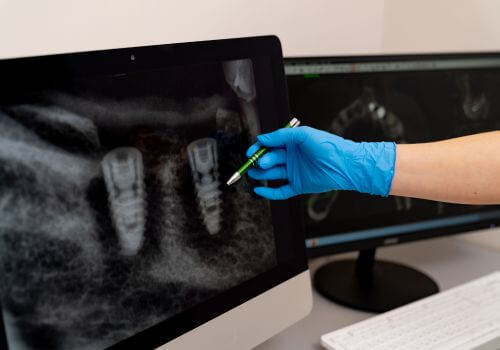
Your dentist will assess your overall oral health, review your medical history, and may use dental imaging to evaluate the condition of your jawbone. In some situations, additional treatments, such as bone grafting, may be recommended to create a stronger foundation and improve the likelihood of successful dental implant placement.
Factors that may be considered include:
- Overall health and healing ability
- Bone density and volume in the jaw
- Gum health and absence of active disease
- Commitment to ongoing oral hygiene and dental visits
With proper planning and care, dental implants can be a suitable option for a wide range of patients.
Long-Term Care and Maintenance of Dental Implants
Dental implants are built to provide lasting results, but they still need consistent care to remain healthy. Good oral hygiene is essential for protecting the gum tissue around the implant and reducing the risk of potential complications.
Brushing and flossing each day, along with attending regular dental checkups, can help keep both the implant and its restoration in good condition. Although a dental implant cannot develop a cavity, the surrounding gums and bone can still be affected by inflammation or infection when proper care is neglected.
Maintaining a consistent oral hygiene routine and receiving regular professional dental care are important for supporting the long-term health and success of dental implants.
A Reliable, Science-Backed Solution for Tooth Replacement
Dental implants represent a significant advancement in modern dentistry. Their ability to integrate with the jawbone through osseointegration provides a level of stability and function that closely resembles natural teeth. This scientific foundation is what makes implants a trusted option for restoring smiles.
If you are exploring tooth replacement options, understanding how dental implants work can help you make an informed decision. With proper evaluation, treatment planning, and care, they can provide lasting benefits for both oral health and overall quality of life.
If you have questions, we would love to answer them for you. Please give us a call at the office at (850) 909-9731 , or you can email us at [email protected]. Our staff would love to talk with you!
Don't forget to follow us on social media Facebook, Instagram.