

Oral cancer affects more than 54,000 Americans each year and accounts for roughly three percent of all new cancer cases in the United States. But despite these alarming statistics, many people remain unaware of the importance of regular oral cancer screenings or the warning signs that could save their lives.
Early detection dramatically improves survival rates, with five-year survival rates jumping significantly when cancer is caught in the initial stages. Understanding what oral cancer screening involves and recognizing the early warning signs is often the difference between a minor procedure and extensive treatment.
What Is Oral Cancer Screening?
Oral cancer screenings are quick, painless exams in which your dentist looks for signs of cancer in the mouth, throat, and surrounding tissues. The screening typically takes only a few minutes during a routine dental visit, but it can play an important role in protecting your overall health.
During the exam, your dentist evaluates the soft tissues of the mouth, including the lips, gums, cheeks, tongue, and the floor and roof of the mouth. They also examine the throat, neck, and jaw area for any unusual lumps, swelling, or changes in texture or color.
Modern screening techniques go beyond visual examination. Many dental offices now use advanced technology like VELscope fluorescence imaging, which uses blue LED light to identify abnormal tissue that may not be visible to the naked eye. This technology helps detect changes in tissue at the cellular level before they become visible symptoms.
Who Needs Oral Cancer Screenings?
Everyone should receive regular oral cancer screenings, but some individuals face higher risks and benefit from more frequent examinations. Age plays a significant factor, with most oral cancers occurring in people over 40, though younger individuals can also develop the disease.
Your lifestyle choices also significantly impact your risk level. People who use both tobacco and alcohol have a 15 times higher chance of developing oral cancer than those who do not.
The human papillomavirus (HPV) has emerged as another major risk factor, particularly for cancers affecting the back of the tongue and throat. The HPV-16 strain, the same virus linked to cervical cancer, now accounts for a larger percentage of oropharyngeal cancers. A family history of cancer, poor nutrition, and a compromised immune system also increase your risk.

The Screening Process: What to Expect
An oral cancer screening often begins with a discussion about your medical history, lifestyle habits, and any symptoms you may have noticed. Being open about tobacco and alcohol use is important, as it helps your dentist accurately evaluate your risk.
The exam typically starts with an external evaluation of the face, neck, and lips, checking for any asymmetry, discoloration, or unusual growths. Your dentist will then examine the inside of your mouth using a light and mirror, carefully reviewing the tongue, gums, cheeks, and the roof and floor of the mouth.
Particular attention is given to areas where oral cancer is more likely to develop, such as the sides and underside of the tongue, the floor of the mouth, and the soft palate. Your dentist may also gently feel along the neck, jaw, and under the chin to check for swollen lymph nodes or irregular lumps.
If additional screening tools are used, such as fluorescence devices or diagnostic rinses, your dentist will guide you through each step. These tools can help identify areas that may need closer evaluation or further testing.
The entire process is typically quick, taking only a few minutes, and is designed to be comfortable. If anything unusual is detected, your dentist may recommend additional testing or refer you to a specialist for further evaluation.
Warning Signs You Shouldn’t Ignore
Recognizing the early symptoms of oral cancer can save your life. Many symptoms appear subtle at first, which is why regular professional screenings are so important.
Potential signs of oral cancer include:
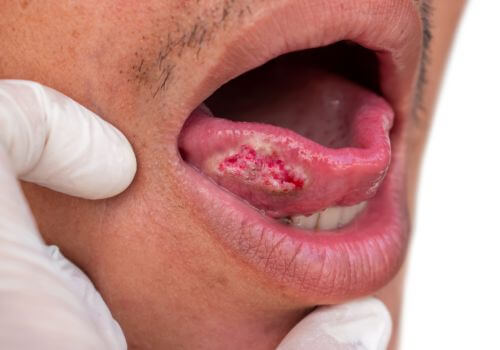
- Persistent mouth sores that don’t heal within two weeks
- Changes in oral tissue color or texture
- Unexplained bleeding in your mouth
- Difficulty swallowing
- Persistent sore throat
- Numbness in your mouth or tongue
- Difficulty moving your tongue or jaw
- Chronic bad breath
- Voice changes
- A lump in your neck or the sensation of something stuck in your throat
Pain isn’t always present in early-stage oral cancer, so don’t wait for discomfort before seeking help. Many patients report that their cancerous lesions felt different but didn’t hurt initially.
The Power of Early Detection
With early detection, oral cancer is often a highly treatable condition. When caught in Stage 1, the five-year survival rate exceeds 80%. Unfortunately, the survival rate drops significantly as the cancer progresses, highlighting the critical importance of regular screenings.
Treatment for early-stage oral cancer often involves minor surgery with minimal impact on speech, eating, or appearance. Advanced cases may require extensive surgery, radiation therapy, or chemotherapy, with more significant side effects and longer recovery times.
Beyond survival rates, early detection preserves quality of life. Patients diagnosed early are more likely to maintain normal speech and swallowing functions, while those with advanced cancers may face permanent changes in these abilities.
Prevention Strategies That Work
While regular oral cancer screenings are essential for early detection, there are also steps you can take to lower your risk. Quitting tobacco use is one of the most effective ways to reduce your risk, and over time, that risk can decrease significantly compared to those who continue to use tobacco.
Limiting alcohol consumption can also make a meaningful difference. If you choose to drink, aim for moderation and avoid combining alcohol with tobacco use, as the two together can greatly increase your risk.
Maintaining good oral hygiene is another important factor in supporting overall oral health. Brushing twice a day with fluoride toothpaste, flossing regularly, and keeping up with routine dental visits can all help promote a healthier mouth and support early detection of any changes.
Fruits and vegetables contain beneficial antioxidants that may help protect against cancer. Some studies suggest that foods high in beta-carotene, vitamin C, and vitamin E may also reduce oral cancer risk.
Lastly, consider getting vaccinated against HPV if you’re eligible. The vaccine prevents infection with the HPV strains most commonly linked to oral cancers.
Making Screening a Priority
Make oral cancer screenings part of your regular preventive healthcare routine. Most dental professionals recommend annual screenings for average-risk individuals and more frequent examinations for high-risk patients.
Between professional screenings, perform monthly self-examinations at home. Use a bright light and mirror to check all areas of your mouth, and contact your dentist if you notice any changes or unusual symptoms.
Closing Thoughts
Taking charge of your health through regular oral cancer screenings and healthy lifestyle choices gives you the best chance of preventing oral cancer or catching it early when treatment is most successful. Don’t wait; schedule your screening today to take the first step in protecting your smile and your life.
If you’re in Tallahassee, FL, and need dental care you can trust, give us a call at (850) 909-9731 or email [email protected]. We’re here to help you smile with confidence!