
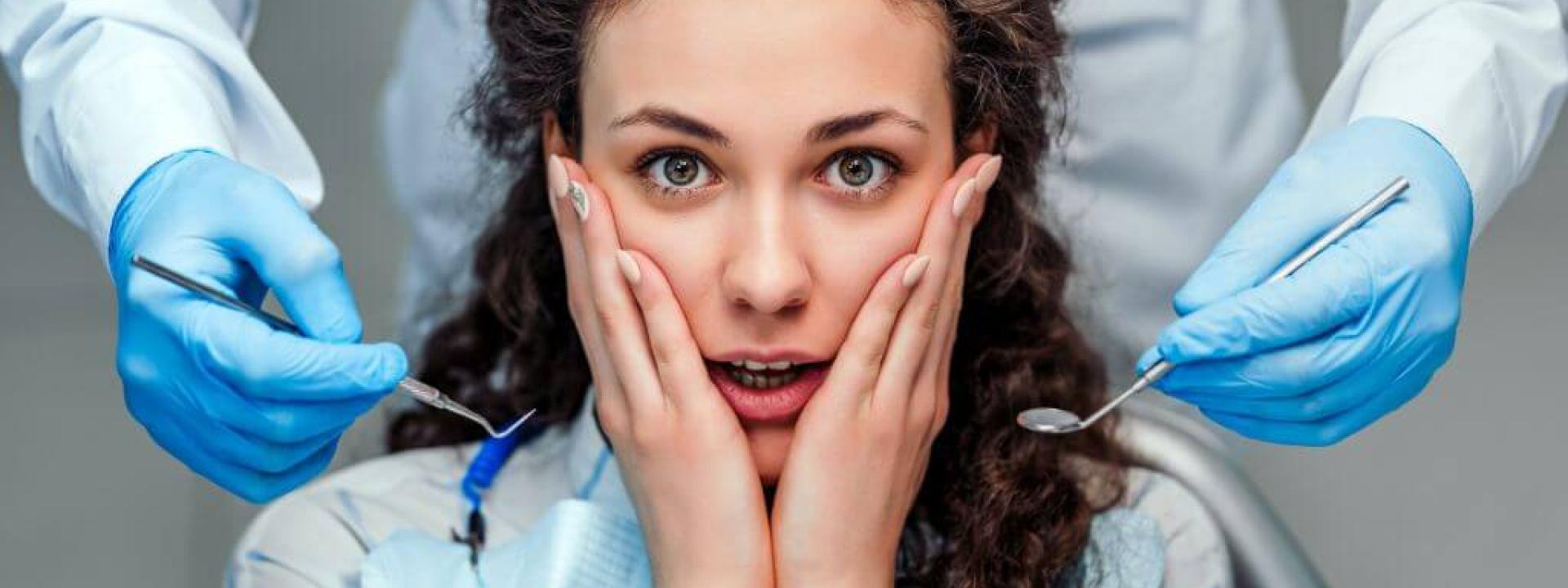
We’ve all been there: sitting in the waiting room, flipping through magazines, your heart pounding in a frantic rhythm against your ribs. The sterile scent of disinfectant fills the air, and every creak of the door sends a shiver down your spine. This isn’t a scene from a horror movie; it’s a trip to the dentist for many people.
Dental anxiety is surprisingly common, affecting millions of adults worldwide. The fear of the dentist’s chair can be so strong that people neglect regular checkups, leading to oral health problems. But here’s the good news: you’re not alone! We, dental professionals, understand your anxiety, and we’re here to help you navigate it.
This article will equip you with everything you need to overcome your dental anxiety and experience a stress-free visit. We’ll delve into the reasons behind dental anxiety, explore strategies for communicating your concerns with your dentist, and introduce various calming techniques.
Understanding Dental Anxiety
Fear of the dentist can develop for many reasons. Some individuals may be afraid of pain, needles, or feeling a lack of control during treatment, while others may have had a negative experience earlier in life that continues to affect them.
Regardless of the cause, dental anxiety can present itself in a variety of ways.
Physical symptoms of dental anxiety include:
- Racing heart
- Sweaty palms
- Shortness of breath
- Avoidance (canceling appointments)
- Panic attacks
- Fainting
It’s important to recognize that avoiding dental care due to anxiety can lead to serious oral health issues. Poor oral hygiene can contribute to gum disease, tooth decay, and has been linked to broader health concerns such as heart disease and diabetes. Routine dental exams and cleanings play a critical role in maintaining a healthy smile and supporting overall well-being.
The encouraging news is that dental anxiety can be managed. Open communication with your dentist and a focus on creating a comfortable, positive experience can help you feel more at ease while prioritizing your oral health.
Communication is Key

The first step to getting past your dental anxiety is fostering a trusting relationship with your dentist. Open communication is vital in this process.
Here’s how you can leverage communication to create a stress-free experience:
- Before the Appointment: Reach out to your dentist’s office before your visit. Let them know you experience anxiety and inquire about their approach to working with anxious patients. Some dentists offer consultations beforehand to discuss your concerns and answer any questions you might have about upcoming procedures.
- Talk to Your Dentist: During your appointment, be upfront and honest about your fears. The more your dentist understands your specific anxieties, the better they can tailor their approach. Ask questions about the process, what to expect during your appointment, and what instruments they will use.
- The Power of “Stop”: Don’t be afraid to communicate your needs throughout the appointment. A simple hand signal or saying “stop” can let your dentist know you need a break or have a question.
You actively participate in your dental care by openly communicating with your dentist. This can significantly reduce anxiety and empower you to feel more in control.
Calming Techniques for a Stress-Free Visit
Now that you’ve established open communication with your dentist, let’s explore some techniques to manage anxiety during your visit.
Relaxation Techniques:
- Deep Breathing: This simple yet powerful technique can significantly reduce stress and anxiety. Focus on slow, deep breaths, inhaling through your nose and exhaling slowly through your mouth. Repeat this for several minutes before your appointment and during moments of heightened anxiety.
- Progressive Muscle Relaxation: Contract and relax muscle groups throughout your body, starting with your toes and working your way up. This can help release physical tension and promote a sense of calm.
- Guided Imagery: Visualize yourself in a peaceful setting, like a calming beach or quiet forest. Focus on the details — the sounds, smells, and sensations to distra from the dental environment and promote relaxation.
Distraction Strategies:
- Music to Your Ears: Listening to calming music can be a helpful way to manage anxiety during your appointment. Bringing headphones and a favorite playlist allows you to stay relaxed, and some patients find that upbeat music can also improve their mood. It’s a good idea to discuss this option with your dentist ahead of time to ensure it does not interfere with communication during treatment.
- Focus on Visuals: Request a room with a window offering a calming view. Alternatively, bring a stress ball or fidget toy to keep your hands occupied and divert your attention from the procedure.
- Bring a Support System: Consider asking a friend or loved one go wiht you to your appointment. Their presence can provide emotional support and a sense of security.
Taking Control
Feeling powerless can exacerbate anxiety. Fortunately, you have options to regain control during your dental visit.
Many dentists offer:
- Nitrous Oxide (Laughing Gas): This mild sedative can help you feel relaxed and reduce anxiety. It’s a safe and effective option for many patients.
- Conscious Sedation: For more significant anxiety, your dentist might recommend conscious sedation, which involves medication that keeps you awake but in a very relaxed state.
Remember, the best approach to managing anxiety is a personalized one. Talk to your dentist to determine what works best for you.
Conclusion

Dental anxiety can feel like a significant barrier, but with the right support and strategies, it is possible to manage it and take control of your oral health. You are not alone in this experience—many people share similar concerns, and dental professionals are here to help you feel comfortable and confident in your care.
By openly communicating with your dentist, utilizing calming techniques, and building a positive dental experience, you can transform your perception of dental visits. So, take that first step. Schedule an appointment and begin your journey toward a healthier, happier you!